


The orphan of zhao kunquh stands as one of the most respected masterpieces in traditional Chinese theatre and classical opera history. Originating from ancient dramatic storytelling traditions, this work combines loyalty, sacrifice, revenge, and morality into a powerful emotional narrative. The story gained popularity through Kunqu opera performances, which emphasize elegance, poetic dialogue, and refined musical expression. Over centuries, scholars and artists have considered it a cornerstone of East Asian dramatic literature. Its themes continue to influence modern theatre, cinema, and academic studies worldwide. Understanding this opera helps audiences appreciate the deeper values embedded in classical Chinese culture.
Quick Bio
| Category | Details |
|---|---|
| Title | Orphan of Zhao Kunquh |
| Genre | Classical Chinese Drama / Kunqu Opera |
| Cultural Origin | Ancient China |
| Historical Basis | Zhao family legend from Spring and Autumn Period |
| Opera Style | Kunqu Opera |
| Main Theme | Loyalty, sacrifice, justice, revenge |
| Central Character | The Zhao Orphan |
| Artistic Elements | Poetry, music, symbolic acting |
| Cultural Importance | One of the most influential Chinese operas |
| Global Influence | Adapted in Western theatre and literature |
| Performance Tradition | Classical Chinese stage performance |
| Legacy | Preserved as important theatrical heritage |
Historical Origins of the Story
The Legend Behind the Drama
The story behind the orphan of zhao kunquh originates from historical records dating back to the Spring and Autumn period of ancient China. It tells the tragic tale of the Zhao family, a noble clan destroyed by political conspiracy and betrayal. Historical chronicles inspired playwrights to transform this event into a dramatic narrative centered on justice and moral courage. During later dynasties, dramatists refined the story into stage performances that highlighted ethical dilemmas faced by loyal servants. The narrative became symbolic of righteousness overcoming tyranny. This historical grounding gives the opera lasting intellectual and cultural weight.
Development Within Kunqu Opera Tradition
Kunqu opera, known for graceful singing and stylized movement, elevated the orphan story into artistic excellence. Performers focused on emotional depth rather than spectacle, allowing audiences to connect with the characters’ internal struggles. The orphan of zhao kunquh became a defining example of Kunqu storytelling because of its balance between poetry, music, and performance. Scholars often describe it as an ideal fusion of literature and stagecraft. The opera also helped preserve classical Chinese language and musical traditions. Its survival across centuries demonstrates the resilience of traditional performing arts.
Plot Summary of Orphan of Zhao Kunquh
A Story of Loyalty and Sacrifice
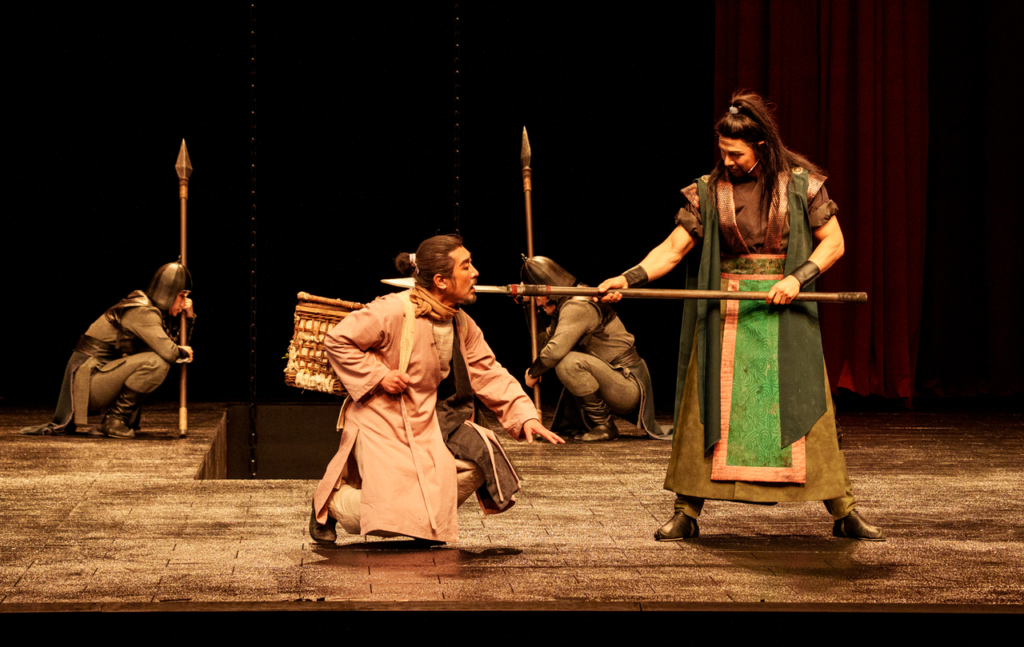
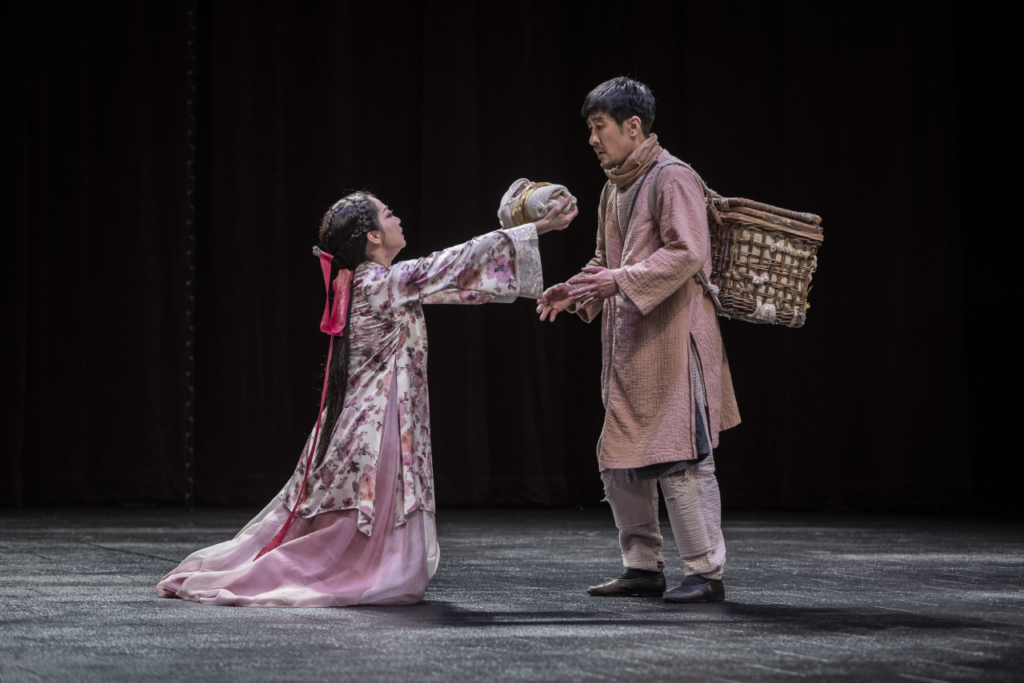
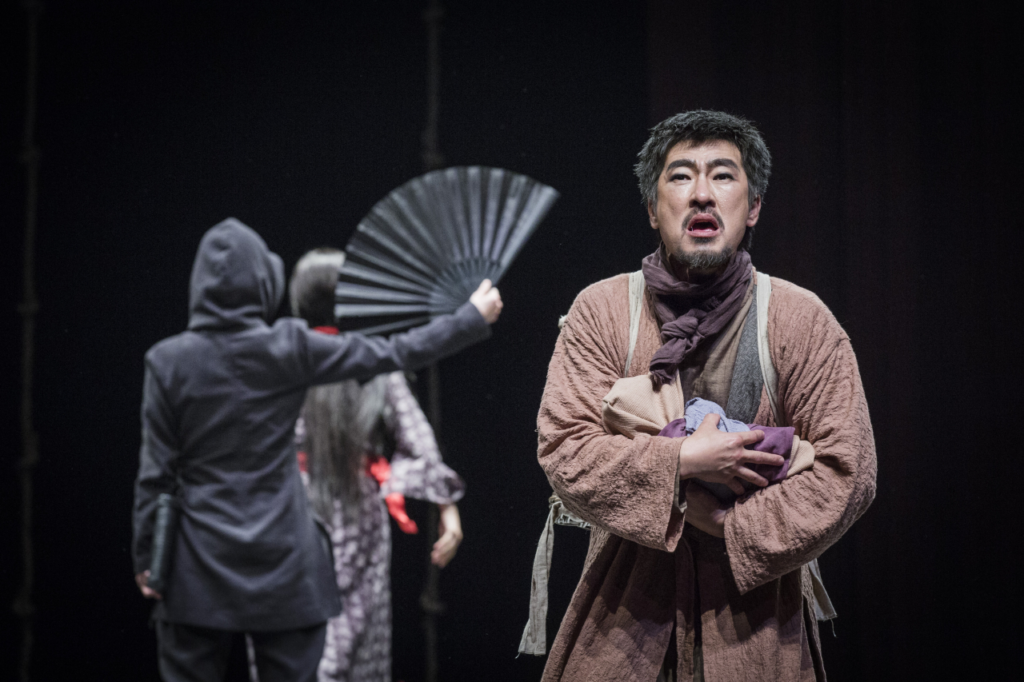
At the heart of the orphan of zhao kunquh lies a dramatic rescue mission led by a loyal physician who risks everything to save the last surviving heir of the Zhao family. After a powerful minister orchestrates the massacre of the Zhao clan, the infant heir becomes the final hope for justice. The doctor secretly substitutes his own child to deceive the tyrant, sacrificing personal happiness for moral duty. Years later, the orphan grows up unaware of his true identity. When the truth emerges, he confronts the past and restores honor to his family. The storyline blends tragedy with ultimate moral triumph.
Key Characters and Their Symbolism
Major Figures in the Drama
- The Zhao Orphan – Represents innocence, destiny, and justice restored.
- The Loyal Physician – Symbolizes self-sacrifice and ethical responsibility.
- The Villainous Minister – Embodies corruption and abuse of power.
- Supporting Loyalists – Reflect collective courage against tyranny.
Each character contributes to the opera’s philosophical depth. Rather than presenting simple heroes and villains, the drama explores emotional conflict and ethical choices. These layered personalities make the orphan of zhao kunquh timeless and relatable across cultures.
Themes and Cultural Meaning
Core Themes Explored
The orphan of zhao kunquh explores universal themes that resonate across generations:
- Loyalty versus survival
- Justice delayed but inevitable
- Personal sacrifice for collective good
- Moral integrity under political pressure
These themes explain why the story transcends regional boundaries. The opera teaches audiences about responsibility, honor, and the consequences of power misuse. Many educators analyze it as a moral allegory reflecting Confucian values. Its philosophical depth remains relevant in modern discussions about ethics and leadership.
Artistic Elements of Kunqu Performance
Music, Costume, and Stage Style
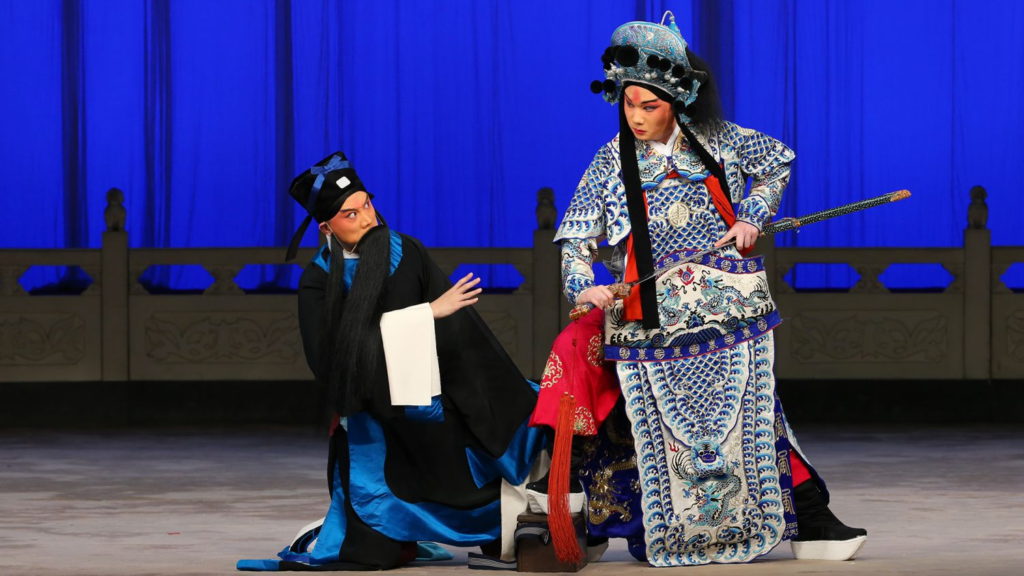
Kunqu performances emphasize refinement rather than dramatic intensity alone. Actors use controlled gestures, symbolic movements, and poetic singing styles to communicate emotion. Traditional costumes feature flowing fabrics and intricate embroidery representing social rank and personality traits. Music plays a central role, blending flute, percussion, and string instruments into delicate melodies. The orphan of zhao kunquh showcases these artistic techniques at their highest level. As a result, it is frequently studied as a model of classical Chinese stage aesthetics.
Cultural Influence and Global Recognition
The influence of the orphan of zhao kunquh extends far beyond Chinese opera houses. Adaptations appeared in European theatre as early as the 18th century, inspiring playwrights fascinated by Eastern storytelling traditions. Scholars estimate that the story has been translated into more than 20 languages and staged internationally for centuries. Theatre historians often regard it as one of the earliest Chinese dramas known in the West. Modern directors continue reinterpreting the narrative through film, modern theatre, and experimental performance styles. Its global journey demonstrates the universal appeal of moral storytelling
Notable Cultural Impact (Stats & Facts)
- Origin dates back over 2,000 years in historical legend.
- Recognized as a landmark work of Kunqu opera heritage.
- Adapted into numerous stage and literary versions worldwide.
- Studied extensively in theatre history and comparative literature programs.
Why Orphan of Zhao Kunquh Still Matters Today
Modern audiences continue connecting with the emotional intensity and ethical complexity of the story. The opera encourages reflection on justice, responsibility, and the cost of loyalty in difficult times. Cultural preservation movements also highlight Kunqu opera as an essential intangible heritage worth protecting. The orphan of zhao kunquh serves not only as entertainment but also as a cultural archive preserving language, music, and philosophy. Its enduring popularity proves that classical narratives can remain meaningful in contemporary society. By revisiting this masterpiece, viewers gain insight into both historical tradition and universal human values.
FAQs
1. What is The Orphan of Zhao Kunqu?
It refers to the famous Chinese tragedy The Orphan of Zhao performed in the traditional Kunqu opera style, known for its elegant music, poetic dialogue, and classical staging.
2. What is the story of Orphan of Zhao Kunqu about?
The story follows a heroic doctor who sacrifices everything to save the last surviving child of the Zhao family after a political massacre, highlighting loyalty, revenge, and justice.
3. Why is Orphan of Zhao important in Kunqu opera?
It is considered one of the most emotionally powerful historical dramas in Kunqu, showcasing refined acting techniques, expressive singing, and traditional Chinese theatrical aesthetics.
4. When was The Orphan of Zhao originally written?
The play was written during the Yuan Dynasty in the 13th century and later adapted into various opera styles, including the Kunqu version.
5. What themes are explored in Orphan of Zhao Kunqu?
Major themes include sacrifice, morality, family honor, loyalty to duty, and the triumph of righteousness over corruption.
Conclusion
The orphan of zhao kunquh represents far more than a traditional opera—it is a profound exploration of sacrifice, honor, and justice. Rooted in historical legend and refined through Kunqu performance artistry, the drama continues to inspire audiences worldwide. Its poetic storytelling, complex characters, and philosophical themes secure its place among the greatest works of global theatre heritage. As cultural interest in classical performing arts grows, this timeless masterpiece remains an essential reference point for understanding Chinese dramatic tradition. Ultimately, the story endures because it speaks to the deepest moral questions shared by humanity across time and culture.
Read more : Steve Spitz Net Worth: Career, Earnings, Lifestyle & Financial Success